Introduction
As the world becomes increasingly aware of the need to protect the environment and reduce promenade-peaks our carbon footprint, sustainable architecture and green building practices are no longer just trends—they are imperatives for the future of urban development. Among the most innovative and forward-thinking developments leading this charge is Promenade Peak, a sustainable urban oasis that blends cutting-edge design with eco-friendly practices to create a harmonious and efficient living environment.
In this article, we will explore how Promenade Peak serves as a model for sustainable architecture, highlighting its eco-conscious features, energy-efficient systems, and overall commitment to reducing environmental impact. From green building materials to energy-efficient systems and rainwater harvesting, this development is reshaping the future of urban living with sustainability at its core.
The Growing Need for Sustainable Architecture
With the world’s population continuing to grow and more people flocking to urban areas, cities are facing unprecedented challenges. From energy consumption to waste management and greenhouse gas emissions, urban development has traditionally placed a strain on natural resources and the environment. To address these challenges, architects, developers, and city planners must adopt sustainable design principles that minimize environmental impact while still providing high-quality living spaces for residents.
Sustainable architecture involves designing buildings and developments that are energy-efficient, resource-conscious, and environmentally responsible. This can include the use of renewable energy, recycled materials, and eco-friendly construction methods. The goal is to create buildings that have a minimal impact on the environment while also providing a comfortable, healthy, and durable living space for residents.
Promenade Peak takes these principles to heart, integrating green building practices into every aspect of its design and construction. From its innovative use of sustainable materials to its energy-efficient technologies, the development sets a new standard for sustainable urban living.
Energy-Efficient Design and Systems
One of the cornerstones of Promenade Peak’s commitment to sustainability is its energy-efficient design. The development is built with an emphasis on reducing energy consumption and maximizing energy efficiency in every aspect of the building. This not only helps reduce the development’s environmental footprint but also results in lower utility costs for residents.
Promenade Peak incorporates a range of energy-saving features, including high-performance windows, insulation, and energy-efficient HVAC systems. These features are designed to reduce heat loss and ensure that the buildings maintain comfortable temperatures year-round without over-reliance on artificial heating and cooling.
Additionally, the development uses smart technology to optimize energy consumption. With smart thermostats and automated lighting systems, residents can control their energy usage with ease, adjusting heating, cooling, and lighting to their needs. This level of control not only improves the comfort of residents but also reduces overall energy waste, contributing to the sustainability of the development.
Use of Sustainable and Recycled Materials
Sustainable building materials are another key component of Promenade Peak’s green building strategy. The development prioritizes the use of eco-friendly materials that have a minimal environmental impact, both during the construction phase and throughout the building’s lifecycle.
For example, Promenade Peak incorporates recycled materials in its construction, such as reclaimed wood, recycled steel, and low-impact concrete. These materials help reduce the demand for new resources and reduce the carbon footprint associated with manufacturing and transporting construction materials.
The development also uses low-VOC paints and eco-friendly finishes that improve the indoor air quality and ensure a healthier living environment for residents. These materials not only contribute to the overall sustainability of the development but also promote the well-being of the people who live there.
By incorporating sustainable materials, Promenade Peak reduces the environmental impact of construction while also ensuring that the development remains durable and long-lasting. These materials are chosen not only for their eco-friendliness but also for their performance and aesthetic value, creating a space that is both sustainable and beautiful.
Rainwater Harvesting and Water Conservation
Water conservation is another critical aspect of Promenade Peak’s sustainable design. The development has integrated a rainwater harvesting system that collects and stores rainwater for use in landscaping and irrigation. This reduces the need for municipal water systems and helps conserve valuable water resources.
In addition to rainwater harvesting, Promenade Peak employs water-efficient fixtures and appliances throughout the development. From low-flow showerheads and toilets to water-saving faucets and dishwashers, the development prioritizes water efficiency in every aspect of its design. This not only helps reduce water consumption but also lowers residents’ utility bills, making it a win-win for both the environment and the community.
Water conservation is particularly important as cities around the world face growing pressure on their water supplies. By incorporating sustainable water management practices, Promenade Peak is helping to address this challenge while also creating a more resilient and self-sufficient development.
Green Roofs and Urban Farming Initiatives
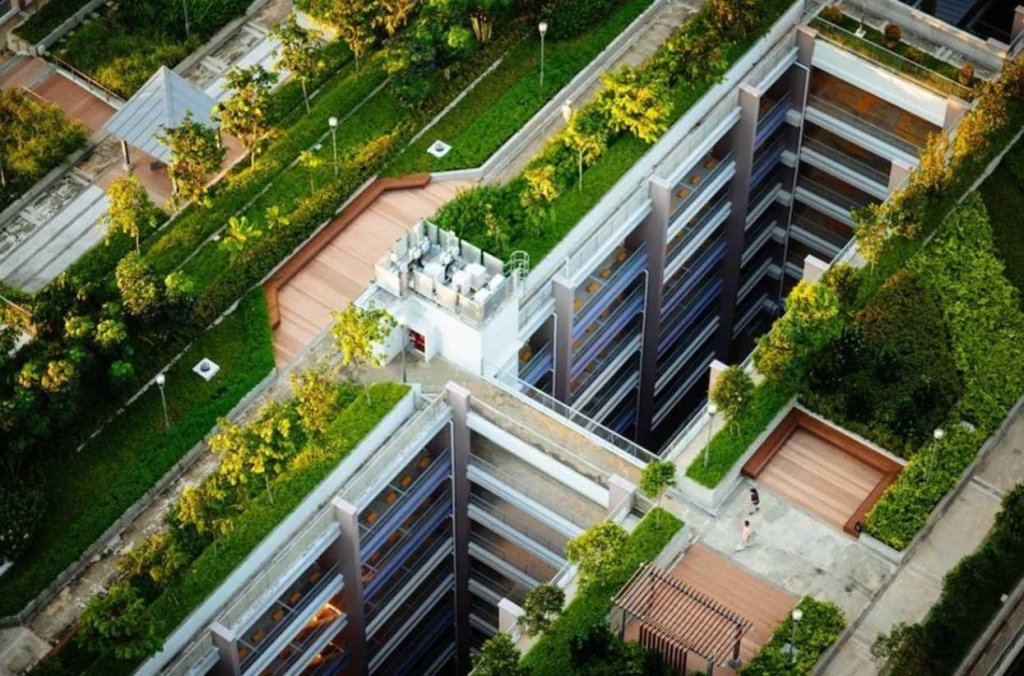
Incorporating nature into urban spaces is a key strategy for promoting sustainability and improving residents’ quality of life. Promenade Peak takes this concept to the next level with its innovative use of green roofs and urban farming initiatives.
Green roofs are an essential feature of Promenade Peak, providing residents with access to green space while also improving the building’s energy efficiency. These roofs help reduce the urban heat island effect by absorbing heat and providing insulation, making the buildings cooler in the summer and warmer in the winter. Additionally, green roofs improve air quality by filtering pollutants and reducing carbon dioxide levels.
Beyond the green roofs, Promenade Peak also integrates urban farming initiatives that allow residents to grow their own food. These community gardens provide space for residents to cultivate vegetables, herbs, and flowers, promoting sustainable food practices and reducing the carbon footprint associated with transporting food. Urban farming not only enhances sustainability but also fosters a sense of community, as residents come together to share knowledge, resources, and the rewards of their gardening efforts.
Waste Management and Recycling Initiatives
Waste management is another area where Promenade Peak excels in its commitment to sustainability. The development has integrated comprehensive recycling programs and waste management systems that encourage residents to recycle and minimize waste. Segregated bins for paper, plastics, and organic waste make it easy for residents to dispose of their waste responsibly, while composting programs reduce the amount of organic waste that ends up in landfills.
The development also employs sustainable waste disposal practices, such as zero-waste initiatives and composting programs, which help divert waste from landfills and reduce the environmental impact of waste disposal. By incorporating these practices, Promenade Peak ensures that waste is managed in an environmentally responsible manner, contributing to the overall sustainability of the development.
Conclusion: The Future of Sustainable Urban Living
Promenade Peak is setting the standard for sustainable architecture and green building practices in urban development. With its focus on energy efficiency, the use of sustainable materials, water conservation, green roofs, and waste management, this development is creating a blueprint for the future of sustainable urban living.
As the world continues to face environmental challenges, the need for eco-friendly urban developments will only grow. Promenade Peak stands as a shining example of how sustainable architecture can be integrated into every aspect of a development, from design and construction to daily operations. By prioritizing environmental sustainability, this development not only reduces its carbon footprint but also provides residents with a healthier, more efficient, and more resilient living environment.
In the years to come, Promenade Peak will continue to inspire other urban developments to adopt sustainable practices, proving that it is possible to build cities that are not only beautiful and functional but also environmentally responsible. The future of urban living is green, and Promenade Peak is leading the way.
 Site Title
Leave a comment